Solar Energy Solutions
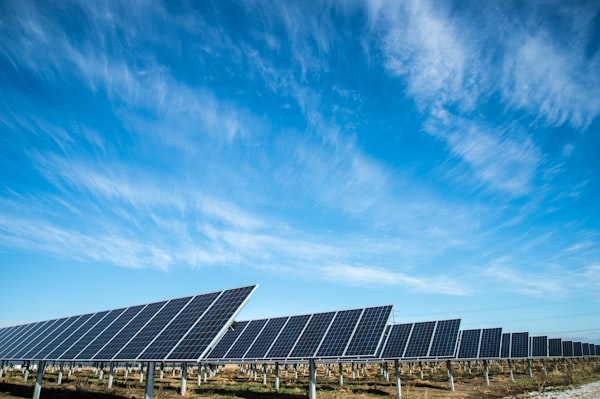
Residential Installation
Complete solar panel systems designed for Australian homes. Each installation includes premium photovoltaic panels, high-efficiency inverters, mounting hardware, and professional setup by licensed electricians.
We handle everything from initial site assessment through to grid connection and system commissioning. The process typically takes 2-3 days, with minimal disruption to your household.
Systems are sized based on your energy consumption, available roof space, and budget. Most residential installations range from 5kW to 10kW capacity.
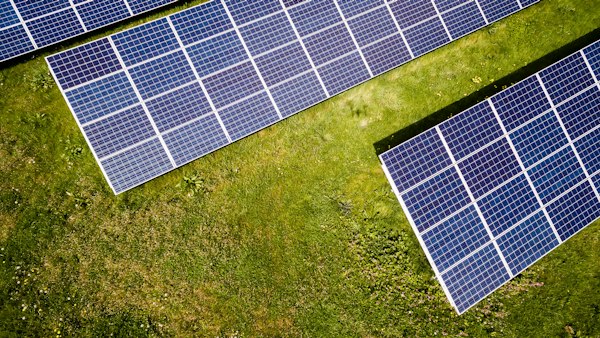
Commercial Systems
Scalable solar solutions for businesses, warehouses, manufacturing facilities, and agricultural operations. Commercial systems offer substantial long-term savings on operational expenses.
Larger installations benefit from economies of scale, making the per-watt cost more attractive than residential systems. We provide detailed financial modeling showing projected returns and payback periods.
Installation includes structural engineering assessments, electrical design, council approvals, and ongoing monitoring systems to track performance.
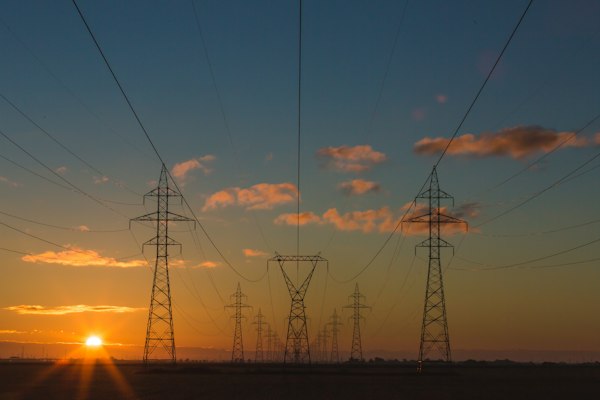
Battery Storage Addition
Energy storage systems allow you to bank excess solar generation for use during evening hours or power outages. This maximizes self-consumption and reduces grid dependence.
Modern lithium battery systems offer 10+ year lifespans with minimal maintenance. Capacity typically ranges from 10kWh to 20kWh for residential applications.
Battery additions can be integrated with existing solar installations or included in new system designs. Smart energy management optimizes charging and discharge cycles automatically.

Annual Maintenance Package
Regular maintenance ensures your system continues operating at peak efficiency. Our annual service includes professional panel cleaning, electrical testing, inverter diagnostics, and comprehensive performance reporting.
Dust, pollen, and bird droppings can reduce panel output by 15-20%. Professional cleaning restores efficiency safely without risking damage to the panels or mounting systems.
We also check all electrical connections, verify inverter operation, and review monitoring data to identify any potential issues before they become problems.